Our Curriculum
At Xàbia International College, our curriculum is carefully planned and thoughtfully delivered to promote academic excellence, deeper learning and the holistic development of every student. Based on the English National Curriculum, it provides a broad, balanced and challenging education that equips students with the knowledge, skills and values needed to thrive in an ever-changing world.
Beyond academic achievement, our curriculum is designed to foster independence, resilience, critical thinking and personal responsibility. We encourage students to become confident, curious and reflective learners who are prepared to embrace new challenges and contribute positively to their communities.
Learning at XIC extends beyond the classroom through a wide range of enrichment opportunities, including sport, the arts, leadership, service and extracurricular activities, enabling students to discover their interests and develop their talents.
Our school culture is built upon high expectations, mutual respect and a genuine commitment to wellbeing. We promote positive behaviour, courtesy and kindness, creating a calm, caring and inclusive environment in which every student feels safe, valued and supported.
Above all, we recognise that every learner is unique. We know our students as individuals, understanding their strengths, aspirations and needs, and provide personalised support and challenge to help each one achieve their full potential.
Key Stages
Welcome to Early Years
The Early Years Foundation Stage (EYFS) is a very special stage in a child's education. During these early years, children build the foundations for their future learning and develop their attitudes towards school and discovery.
At Xàbia International College we follow the English Early Years Foundation Stage framework, providing a balance between adult-led learning and child-initiated exploration. Our curriculum is designed to support the natural curiosity of young children while guiding them through meaningful learning experiences.
Learning activities are often organised around themes and topics, allowing children to explore ideas in an integrated and engaging way. Our planning is also responsive to the children's own interests, ensuring that learning feels relevant, motivating, and enjoyable.
Through a carefully designed environment, children are encouraged to explore, experiment, and develop independence. Play is at the heart of the Early Years curriculum, as it enables children to develop creativity, communication, and problem-solving skills while building confidence in their abilities.
Our aim in the EYFS is for children to develop into active, independent, and confident learners who enjoy coming to school and who feel excited about discovering the world around them.
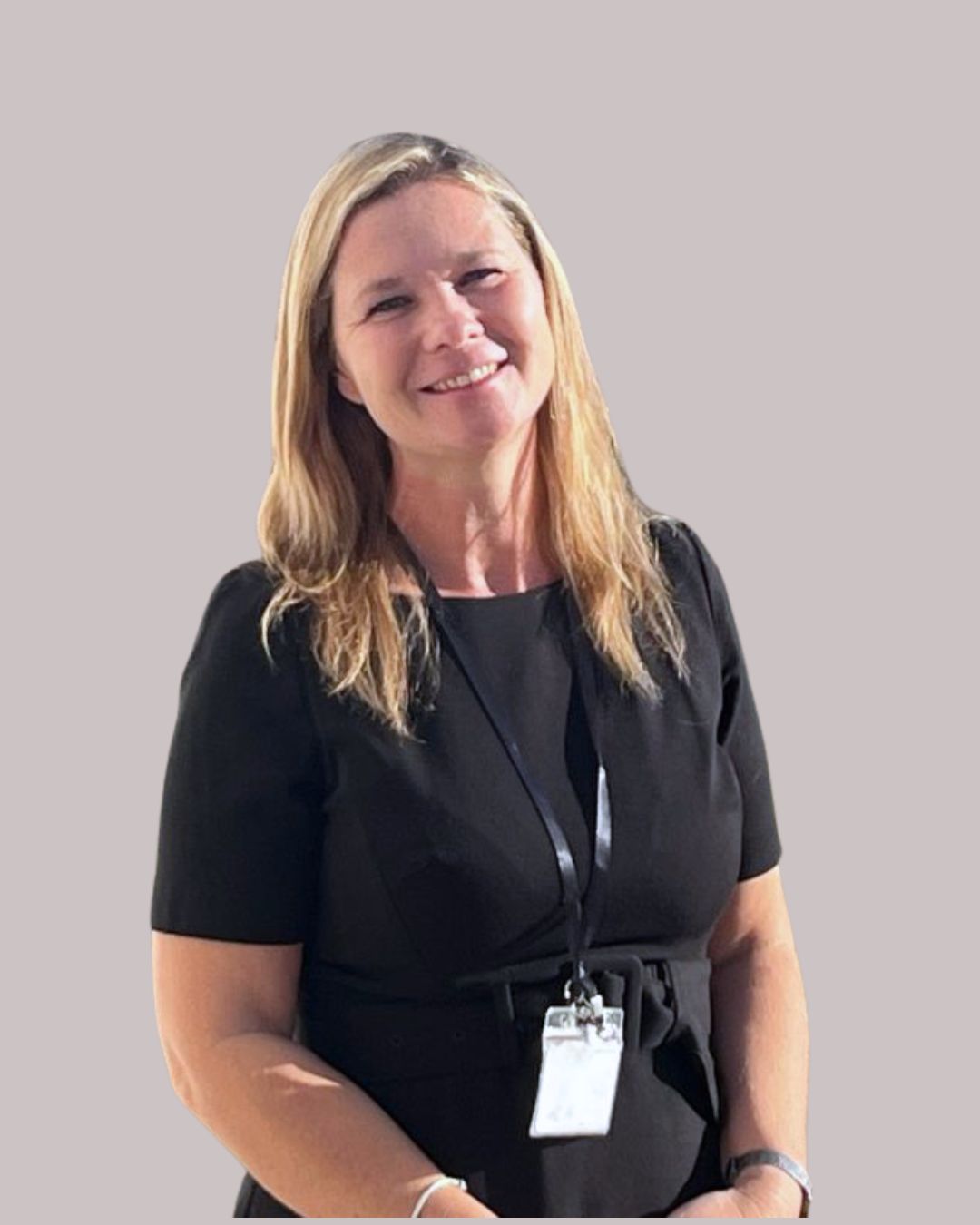
Ania Walker
Head of EYFS & Primary
Please do not hesitate to contact any member of the Early Years team or myself if you would like further information about our curriculum.
Early Years Foundation Stage at XIC
In our Early Years setting we provide a balance between structured learning opportunities and open-ended exploration. This allows children to develop both the skills and the confidence they need to become enthusiastic learners.
Activities in Nursery and Reception are based on the seven areas of learning defined in the Early Years Foundation Stage framework.
These areas are particularly important in the early stages of development because they support children's overall learning and wellbeing.
As children grow in confidence and ability, they also develop skills within these areas.
Children work towards the Early Learning Goals within these seven areas while being carefully supported and appropriately challenged.
Through play and exploration, children develop important learning behaviours such as:
- Curiosity
- Perseverance
- Concentration
- Confidence to try new things
We encourage children to think creatively, share their ideas, and develop a positive attitude towards learning.
Independence is promoted at every opportunity. Children are encouraged to take ownership of their learning and make choices about the activities they engage in.
Our classrooms and outdoor areas are organised so that children can access resources independently and safely. We follow a free-flow approach, allowing children to move between indoor and outdoor learning environments throughout the day. This flexibility enables children to extend their learning naturally and at their own pace.
Our goal is to support each child in becoming an active, independent, and confident learner.
Pre-Nursery (ages 2–3)
At Xàbia International College we aim to provide a warm and nurturing environment where very young children feel safe, recognised, happy, and confident.
Children in Pre-Nursery follow the Early Years Foundation Stage framework, with particular emphasis on the three Prime Areas of learning: Personal, Social and Emotional Development; Communication and Language; and Physical Development.
These areas are essential because they form the foundations upon which all later learning is built.
The Pre-Nursery environment is carefully designed to encourage:
- Exploratory play
- Imagination
- Independence
- Language development
We recognise the significant benefits that free-flow play offers for the development of very young children. At XIC, children are able to select their own activities both indoors and outdoors using a wide range of open-ended materials.
Each child is supported by a Key Person, who develops a close understanding of the child's individual needs and provides personalised care and guidance.
Observations are carried out regularly by the Key Person in order to monitor development and support each child's progress. The Early Years team also meets regularly to discuss children's development and plan the next steps in their learning.
Nursery (3–4 years) and Reception (4–5 years)
During Nursery and Reception, children continue to develop their skills across the seven areas of learning as they work towards the Early Learning Goals.
Children are closely supported and appropriately challenged as they develop new abilities and confidence in their learning.
We encourage children to:
- Think creatively
- Develop their own ideas
- Show curiosity and willingness to try new things
Through play and exploration, children develop important learning skills such as determination, concentration, and a positive attitude towards learning.
Independence remains a key focus. Children are encouraged to make choices, take responsibility for their learning, and develop confidence in their abilities.
The classroom and outdoor environments are carefully organised so that children can access materials independently. Our free-flow learning environment allows children to move between indoor and outdoor spaces throughout the day, supporting exploration and active learning.
Our aim throughout the Early Years Foundation Stage is to help children become active, independent, and confident learners.
How your child will be learning
In the Early Years Foundation Stage, learning is carefully designed to support children's development across the seven areas of learning. These areas work together to help children grow socially, emotionally, physically, and intellectually.
Teachers observe and guide children's development through a balance of structured activities, play-based learning, and meaningful interactions.
Personal, Social and Emotional Development
This area focuses on helping children develop a positive sense of themselves and others.
Children learn to build relationships, understand emotions, and develop the confidence needed to explore and learn.
Key elements include:
- Developing self-confidence and independence
- Forming positive relationships with peers and adults
- Learning to manage emotions and behaviour
- Understanding how to cooperate and work as part of a group
Personal, Social and Emotional Development includes:
- Self-Confidence and Self-Awareness
- Managing Feelings and Behaviour
- Making Relationships
Communication and Language
Communication is fundamental to learning in the Early Years.
Children are given many opportunities to develop their speaking and listening skills through conversations, storytelling, songs, and group activities.
We provide a rich language environment that supports children in expressing their ideas, thoughts, and feelings.
Communication and Language includes:
- Listening and Attention
- Understanding
- Speaking
Physical Development
Physical development is an essential part of children's growth and wellbeing.
Children are encouraged to be active and develop their coordination, control, and movement through a variety of indoor and outdoor activities.
They also begin to develop an understanding of healthy lifestyles and self-care.
Physical Development includes:
- Moving and Handling
- Health and Self-Care
Literacy
Literacy development focuses on helping children begin their journey into reading and writing.
Children are encouraged to explore books, stories, and language in meaningful ways. Access to a wide range of reading materials, including books, poems, and written texts in the classroom, helps to foster a love of reading.
At XIC we follow the Read Write Inc. phonics programme, which supports children in developing the skills needed to read and write confidently.
Literacy includes:
- Comprehension
- Word Reading
- Writing
Mathematics
Mathematics in the Early Years focuses on developing children's understanding of numbers and patterns in a practical and engaging way.
Children learn through games, exploration, and hands-on activities that help them understand numbers, quantities, shapes, and measures.
They develop early mathematical thinking through activities such as counting, sorting, comparing, and solving simple problems.
Mathematics includes:
- Number
- Numerical Patterns
Understanding the World
This area helps children make sense of the world around them.
Children explore their environment, learn about different people and communities, and begin to understand how things work.
Learning often takes place through exploration, discussion, and hands-on experiences.
Understanding the World includes:
- People and Communities
- The World
- Technology
Expressive Arts and Design
Expressive Arts and Design encourages children to explore creativity and imagination.
Children are given opportunities to express themselves through music, movement, role-play, art, and design activities.
These experiences help develop creativity, confidence, and communication skills.
Expressive Arts and Design includes:
- Exploring and Using Media and Materials
- Being Imaginative
Assessment in the Early Years
Assessment in the Early Years is based primarily on ongoing observation of the children's learning and development.
Teachers observe children as they play, explore, and interact in order to understand their interests, strengths, and areas for development.
These observations help teachers plan the next steps in learning, ensuring that each child receives the appropriate level of support and challenge.
Parents are regularly informed about their child's progress and are encouraged to work in partnership with the school.
Partnership with Families
At Xàbia International College we believe that a strong partnership between school and home is essential in supporting young children's development.
We encourage regular communication with families and welcome opportunities to share children's achievements, interests, and progress.
Parents are always welcome to contact the Early Years team if they have any questions or would like further information about their child's learning.
A Typical Day in Early Years
Each day in Early Years is carefully structured to provide a balance between routine, guided learning, and exploration.
Children arrive at school and are welcomed by their teachers, helping them settle into the classroom and begin the day in a calm and positive environment. The day usually begins with a short morning circle, where children greet one another, talk about the day ahead, and take part in language and communication activities.
Throughout the day, children participate in a mixture of:
- Adult-guided learning activities
- Child-initiated play
- Small group work
- Outdoor exploration
Our free-flow approach allows children to move between indoor and outdoor learning environments, giving them the opportunity to extend their play, investigate new ideas, and develop independence.
Activities often include:
- Creative play and art
- Early literacy and phonics
- Number activities and mathematical exploration
- Music and movement
- Storytelling and language development
- Sensory play and construction activities
Snack time and lunch provide valuable opportunities for children to develop social skills, independence, and healthy habits.
The day ends with a calm group activity such as story time or reflection, allowing children to finish the day feeling settled and proud of what they have learned.
First Days at School
Starting school is an important milestone for both children and families. At Xàbia International College we aim to make this transition as smooth and positive as possible.
Children joining Early Years follow a gradual introduction to the school environment, allowing them to become familiar with their teachers, classmates, and classroom routines. In the first days, children may attend shorter sessions or smaller group activities so that teachers can support them closely and help them feel secure.
Our priority during this period is to:
- Help children build trusting relationships with their teachers
- Support their emotional wellbeing
- Help them become confident in the new environment
Children quickly become familiar with the classroom, daily routines, and their new friends, helping them settle happily into school life.